
Renting 101- What You Need to Know About Security Deposits
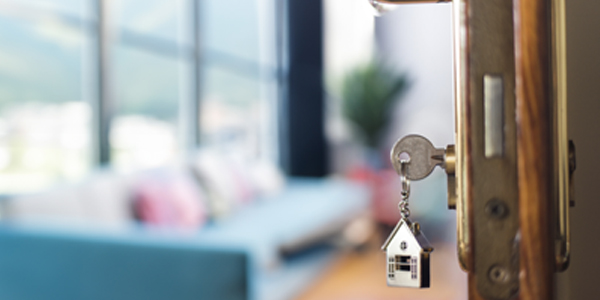
As you take your first steps into adult life, you will probably be looking at many places to live, but the rent on your apartment is not the only expense you will face. If you want your first foray into renting to be a successful one, you need to know about not only the monthly rent but also the security deposit.
Simply put, the security deposit is designed to protect the property owner and is set by the landlord or property management company. The amount of the security deposit will depend on several factors, including local and state laws, the landlord’s past experiences, the amenities offered by the apartment complex, and the going rate in the region. Here are a few other things you need to know about the security deposit and how it works.
The Security Deposit is Refundable
The good news is that the security deposit is refundable, and if you follow the rules while you are renting, you should get most, if not all, of that money back. Keep in mind that the landlord can, and likely will, deduct money for repairs caused by damage to the apartment, including stains on the carpets or hardwood floors, holes in the wall, and problems with built-in appliances and fixtures.
It is important to document any preexisting damage when you first move into the apartment, taking photos and notifying the landlord of any issues right away. This kind of documentation will be critical if there is a disagreement between you and the property owner down the line.
You Could Pay More if You Have (or Acquire) a Pet
Many landlords are reluctant to rent to people who own pets, arguing that cats, dogs, and other critters are likely to damage their property. You may see a cute puppy or kitten, but the property owner will likely envision stained rugs, chewed door frames, and other damage that could exceed the size of their required security deposit.
As a result, even landlords who do allow pets are likely to charge a fee, either in the form of a higher security deposit or through an increase in monthly rent or a separate pet deposit. If you currently own a pet or plan to acquire one, it is important to understand the rules and any additional costs your four-legged family member will require.
The Rent and Security Deposit Generally Move in Tandem
Landlords and property managers consider several factors when setting the security deposit amount, including the going rate in the area and the quality of the building’s amenities. Even so, the number one factor used to determine the size of the security deposit is the monthly rent.
While rates will vary, in many cases, the security deposit amount will be equal to a single month of rent. That means that the more expensive the apartment the higher the security deposit you will have to come up with. If you are short of cash, you might want to seek out a less expensive apartment to save money on the rent and reduce the size of the security deposit.
Renting your first apartment can be confusing – and expensive. Even if you think you are prepared, you may be surprised at how many expenses you will face along the way, including the dreaded security deposit. Now that you know what the security deposit is, how it is determined, and how you get it back, you can move forward with confidence, heading into adulthood with a new sense of freedom and responsibility.